| Details / Tracklist: |
1.1 Négritude et universel1.2 Penseur du socialisme africain1.3 Petite enfnace1.4 Ses parents et le totémisme1.5 Senghor à l'école des Blancs1.6 Khgneaux des colonies1.7 Prise de conscience politique1.8 Avec Aimé Césare, théoriser le "nègre nouveau"1.9 Senghor français puis agrégé1.10 Ce que Négritude veut dire1.11 Dualisme de Senghor1.12 Malentendu avec Sartre1.13 Ecriture poétique1.14 "Pont sur l'Abime"2.1 Dans la guerre2.2 Ses amis les Pompidou2.3 Guerre au Sénégal2.4 Senghor dans l'Union française2.5 Assimiler, ne pas être assimilé2.6 Législation identique pour tous2.7 Théoricien du socialisme africain2.8 Afrique communaliste2.9 Temps des alliances2.10 Combat littérarie2.11 Rêve d'une Fédération africaine forte et unie2.12 Fédération du Mali et les indépendances2.13 Voies de l'universel3.1 Senghor, Président du Sénégal3.2 Grands chantiers de réfection des infrastructures rurales3.3 Crise de 1962 et l'éviction de Mamadou Dia3.4 Mamadou Dia emprisonné3.5 Dakar 1966: Le Festival mondial des arts nègres3.6 Critiques d'Aimé Césaire3.7 Senghor et l'opposition: contestations socials, censure et partu unique3.8 Répression brutale3.9 Savoir quitter le pouvoir3.10 Pensée du métissage3.11 "A l'automne de l'ge", le poète de l'intimité3.12 Académicien et sa retraite normande3.13 Conclusion - Des pistes pour hériter de la Négritude aujourd'hui |
 |
| Number of discs: |
1 |
 |
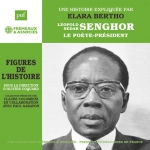
| Description: | The Presses Universitaires de France and Frémeaux & Associés offer this biography of Léopold Sédar Senghor by Elara Bertho, CNRS researcher and specialist in the period of decolonization in West Africa. First African with a grammar degree, poet celebrated around the world, first president of Senegal, academician: Senghor had all the honors. Accused of essentialism for having invented Negritude, of authoritarianism for having imprisoned his opponents, it is difficult today to paint a nuanced portrait of Senghor while doing justice to the great topicality of his poetic and philosophical thought. Yet it is this crest line that Elara Bertho takes, far from hagiography, far from anathemas. How can his thought of the universal and the dialogue of cultures still speak to us? How can his anti-capitalist critique of the Western world resonate with contemporary ecological struggles? Discovering Senghor, one is struck by the modernity of his thought: socialism, negritude, universal, faith, are the key words of this man with a complex discourse, which one must take the time to read and understand. |
 |
| No. of tracks: |
40 |
 |
| Manufacturer No.: |
FA5576 |
 |
Product Safety
Responsible Person for the EU:
FREMEAUX & ASSOCIES 20 rue Robert Giraudineau, 94300 VINCENNES, FR info@galileo-mc.de |
 |